ad
New technologies are changing the way we track orders.
Discover apps and tools that help you track packages more quickly and conveniently.
Best Apps and Websites to Track Orders
There are several tools that make it easier to track all your purchases in one place.
They bring together different shipping carriers and make it easier to track orders.
17TRACK
What it does
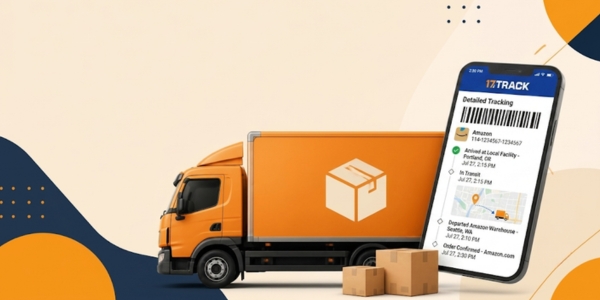
17TRACK brings together information from thousands of shipping carriers on a single platform.
It allows you to track domestic and international shipments without having to visit multiple websites.
Main features
- Support for more than 2,500 shipping carriers.
- Automatic carrier identification.
- Track multiple orders at the same time.
- Complete tracking history.
- Automatic notifications for new updates.
How to use it
- Install the app.
- Open the platform.
- Enter the tracking number.
- Wait for the carrier to be identified.
- View all delivery updates.
Parcels

What it does
Parcels makes it easier to track packages from different online stores.
The platform automatically identifies the shipping carrier and organizes all your orders in one place.
Main features
- Automatic carrier detection.
- Complete shipment history.
- Estimated delivery date, when available.
- Compatibility with various international stores.
- Real time updates.
- Premium versions with extra features.
How to use it
- Install the app.
- Enter the tracking number.
- Wait for automatic carrier identification.
- View all order updates.
Ship24
What it does
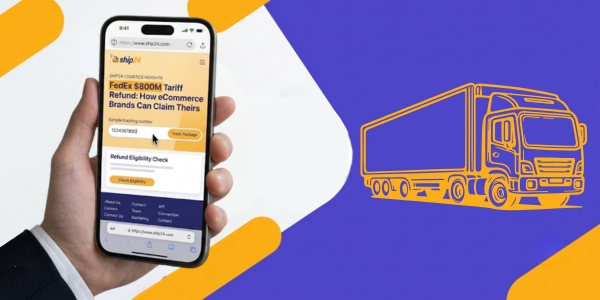
Ship24 is an online platform specialized in tracking domestic and international shipments.
It gathers information from more than 1,500 shipping carriers in a single search.
Main features
- Compatibility with more than 1,500 shipping carriers.
- Automatic identification of the company responsible for delivery.
- Real time updates.
- Complete tracking history.
- Estimated delivery date, when available.
How to use it
- Go to the Ship24 website.
- Enter the tracking number.
- Click Search.
- View all package updates.
How to Track Orders Faster Using AI
Artificial intelligence is transforming the way people track packages.
These apps automatically interpret tracking information and help you understand every tracking update.
USTracking Package Helper AI
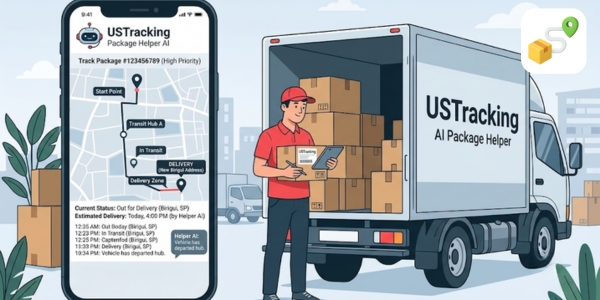
USTracking Package Helper AI tracks shipments from more than 1,000 shipping carriers on a single platform.
Its biggest advantage is using artificial intelligence to explain tracking events in simple language.
Main features
- Smart suggestions about the next steps.
- Automatic carrier identification.
- Complete delivery timeline.
- Estimated delivery date, when available.
- Automatic notifications.
- Organization of multiple orders.
- No account required.
How to use it
- Install the app.
- Paste the tracking number.
- Wait for automatic carrier identification.
- Read the explanation generated by the AI.
- Follow every delivery update.
Package Tracker: Shipments

Package Tracker: Shipments track shipments from more than 1,200 shipping carriers.
The app, available for iOS, uses AI to generate delivery estimates and identify possible delays.
Main features
- Real time tracking.
- Smart delivery predictions.
- Early detection of delays.
- Complete package history.
- Organization of multiple orders.
- Compatibility with more than 1,200 shipping carriers.
- Automatic updates.
How to use it
- Install the app.
- Enter the tracking number.
- Wait for the carrier to be identified.
- View the AI-generated predictions.
- Receive new updates automatically.
Why Use AI to Track Orders?
AI-powered tools help interpret tracking information and save time.
Instead of displaying only tracking codes and statuses, they provide clearer information for users.
The main advantages include:
- Automatic carrier identification.
- Status explanations in simple language.
- More accurate delivery predictions.
- Early identification of possible delays.
- Organization of multiple orders in one place.
- Automatic updates whenever there are new tracking events.
These features make it easier to track orders and understand each update.
How AI Interprets Tracking Statuses
Tracking statuses often use technical terms that can be confusing.
AI interprets this information and explains each stage in simple language.
| Status | AI explanation |
|---|---|
| In Transit | On the way to the next stop. |
| Arrived at Facility | Reached a distribution center. |
| Out for Delivery | Expected today. |
| Delivered | Successfully delivered. |
| Exception | Delivery issue detected. |
| Customs Clearance | Under customs inspection. |
In addition to interpreting tracking statuses, some platforms use the shipment history to provide smart guidance.
This helps users decide whether they should simply wait or contact the shipping carrier.
Find your Tracking Number
The tracking number is usually sent shortly after your purchase is confirmed.
It may appear in different places, depending on the store and the shipping carrier.
You can find it:
- In the purchase confirmation email.
- In the store’s app.
- In the My Orders section of the website.
- In SMS messages, when available.
- In the purchase history of online marketplaces.
Amazon, SHEIN, Temu, AliExpress, and eBay usually provide this tracking number.
It is usually displayed on the order page.
Once you find it, simply copy and paste it into the tracking tool of your choice.
What to do When Tracking doesn’t Update
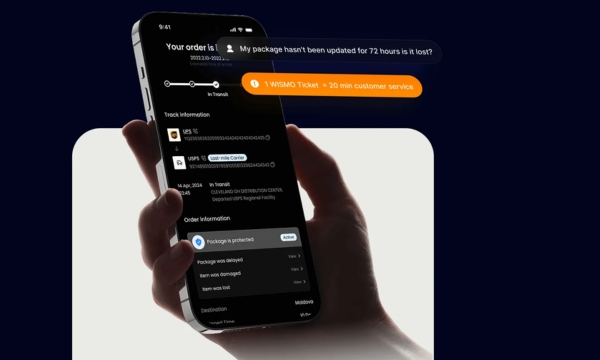
When you track orders, not every delay means there’s a problem with your package.
In many cases, the system simply takes longer to register a new tracking update.
Before worrying, check the following:
- Wait between 24 and 48 hours, as new updates may take some time to appear.
- Make sure the tracking number was entered correctly.
- Check whether the shipping carrier has recorded any delivery attempts.
- Confirm whether the shipment has been transferred to another shipping carrier.
- Consider the possibility of customs inspection, especially for international purchases.
If tracking remains unchanged for several days, contact the shipping carrier responsible for your package.
AI-powered tools can also help identify situations that commonly cause delays.