ad
Discover the platforms that broadcast all matches of the FIFA World Cup 2026.
There are matches we watch. And there are matches we truly live.
The FIFA World Cup 2026 clearly belongs to the second group, the kind that demands full attention from start to finish.
It’s time to stop everything, check the clock more often than usual, align schedules, and feel that good tension while the ball is rolling live, with no replay and no pause.
Every play sparks an instant reaction, every goal becomes a shared memory.
That’s why following this edition live, in your own way, makes such a difference.
👉 This article is for informational purposes only. Here you will find reliable apps with live game specifications.
Where to Watch Matches Live Officially
The FIFA World Cup 2026 will have official broadcasts distributed by country and continent, following regional agreements.
In practice, this means fans need to know the official path depending on where they are. In general terms, access works like this:
| Region | Official Platforms |
|---|---|
| United States | FOX Sports App · Peacock · FuboTV · YouTube TV |
| Canada | CTV App |
| Mexico | TUDN App · ViX |
| Europe | BBC iPlayer · ITVX · ARD Mediathek |
| Africa | SuperSport App · beIN Connect |
| Middle East | beIN Connect |
| Asia | Disney+ Hotstar (selected markets) |
| Oceania | SBS On Demand |
| Global | FIFA+ |
In addition to these options, FIFA+ works as an important support hub.
It does not replace regional broadcasts, but it gathers official content, behind-the-scenes material, interviews, and institutional information about the FIFA World Cup 2026.
Participating Countries in the 2026 Edition
One of the biggest highlights of the FIFA World Cup 2026 is the number of teams. For the first time, 48 countries will compete in the tournament.
This expands diversity, brings new stories, and puts on the field teams that previously fell short.
Instead of listing by groups, it’s worth looking at the overall panorama of participating nations.
Among them are teams from South America, Europe, Africa, Asia, North America, Central America, and Oceania, including:
🟢 Host Nations (automatic qualification)
- United States
- Mexico
- Canada
🌍 Africa (CAF)
- Morocco
- Egypt
- Ghana
- Senegal
- South Africa
- Tunisia
- Algeria
- Ivory Coast
- Cape Verde
🌎 South America (CONMEBOL)
- Argentina
- Brazil
- Colombia
- Ecuador
- Paraguay
- Uruguay
🌎Europe (UEFA)
- England
- France
- Spain
- Portugal
- Germany
- Netherlands
- Belgium
- Switzerland
- Austria
- Norway
- Croatia
- Scotland
🌏 Asia (AFC)
- Japan
- South Korea
- Saudi Arabia
- Iran
- Uzbekistan
- Australia
- Qatar
- Jordan
🌎 CONCACAF (besides hosts)
- Panama
- Haiti
- Curaçao
🌏 Oceania (OFC)
- New Zealand
In addition to these teams, others will qualify through the play-offs, coming from different confederations. This completes the picture with even more balance and unpredictability.
The result is a more plural World Cup, with varied playing styles and many more people feeling represented on the pitch.
The Tournament’s Path to the Final
The structure of the FIFA World Cup 2026 follows a clear logic, but with more intensity than in previous editions.
The group stage runs from June 11 to June 27, with the 48 teams divided into 12 groups of 4. Each team plays three matches, and the margin for error is small from the very start.
Advancing to the knockout stage are:
- the top two teams from each group
- the 8 best third-placed teams
From there, the tournament enters full decision mode:
- Round of 32: June 28 to July 3
- Round of 16: July 4 to July 7
- Quarterfinals: July 9 to July 11
- Semifinals: July 14 and 15
- Third-place match: July 18
- Final: July 19, 2026
In the knockouts, there’s no room for recovery. Lose once, and you’re out. Every match becomes a real decision, raising the emotional weight and tension at each stage.
Where the Decisive Matches Take Place
The FIFA World Cup 2026 will be played in three countries: the United States, Mexico, and Canada, with 16 host cities in total.
The opening match will be held at the historic Estadio Azteca in Mexico City, a stadium already etched into World Cup history for hosting finals and iconic matches.
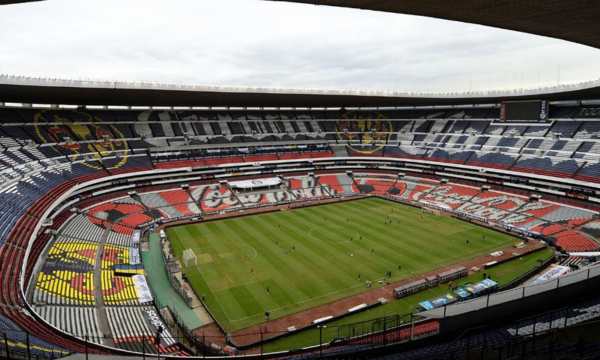
The grand final will take place at MetLife Stadium in New York/New Jersey, one of the largest and most modern stadiums on the continent.
But decisive matches won’t be limited to these two venues. Other major stadiums will come into play throughout the knockouts:
- Mercedes-Benz Stadium in Atlanta, known for its modern structure and intense atmosphere
- AT&T Stadium in Dallas, a giant venue that regularly hosts major sporting events
- Hard Rock Stadium in Miami, host of the third-place match
- SoFi Stadium in Los Angeles, one of the most technologically advanced stadiums in the world
- Lumen Field in Seattle, famous for its passionate crowd involvement
Why This World Cup Promises to Be Historic
There are several reasons why the FIFA World Cup 2026 is already considered special even before it starts.
The first is obvious: 48 teams and 104 matches. Never before has a World Cup been this big.
The second is the format. With more knockout spots, more teams stay alive longer, keeping interest high until the end of the group stage.
The third is co-hosting across three countries. This expands infrastructure, stadium capacity, and global reach, while also creating unprecedented logistical challenges.
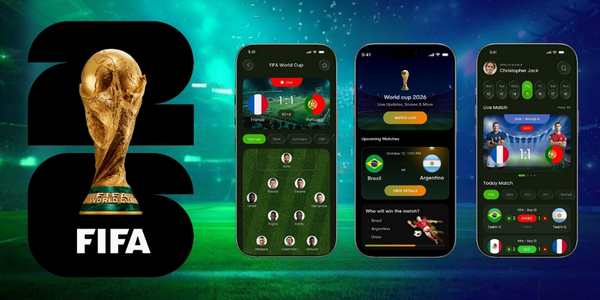
Another key point is technology. Digital tickets, official apps, real-time alerts, and multiple ways to follow matches are all part of the FIFA World Cup 2026 experience.
Tips for Those Who Want to Live the World Cup Intensely
If the idea is to make the most of the FIFA World Cup 2026, a few simple actions make a big difference.
- Plan accommodation, transport, and dates in advance, especially in the most sought-after host cities.
- Combine matches with local tourism, exploring culture, food, and attractions in each city.
- Use official fan zones when you don’t have a stadium ticket and soak in the collective World Cup atmosphere.
- Pay attention to time zones so you don’t miss important matches or get confused by schedules.
- Alternate between group-stage matches and knockouts to experience different tournament atmospheres.
- Enjoy interacting with fans from other countries, exchanging stories, cultures, and unique experiences.
Even those following from home can experience it in a special way.
You can organize schedules, dive into analysis, discuss matches, and feel the World Cup vibe day by day.
In the end, it becomes more than football: it becomes expectation, connection, emotion, and that great feeling of living something big together with the entire world.