ad
Are you looking to watch La Liga live without complications, directly on your phone, and without the risk of missing an important match?
👉 This article is for informational purposes only. Here you will find reliable apps with live game specifications.
La Liga Live: Where to Follow all Matches
TSN+
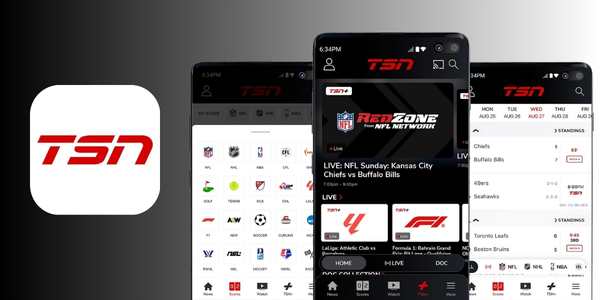
TSN+ is one of the main options for those who follow football in Canada, offering official coverage of La Liga with a focus on stability and quality.
The app is easy to use, has good match organization, and usually works very well on busy matchdays.
Download TSN+, activate your account, and follow La Liga with peace of mind!
DAZN

DAZN is a sports streaming service available in several countries, such as Spain, Italy, and Portugal, with selected La Liga matches according to regional agreements.
It’s a good choice for those who want to follow European football in an app focused exclusively on sports.
Install DAZN, check availability in your country, and enjoy the experience!
OneFootball
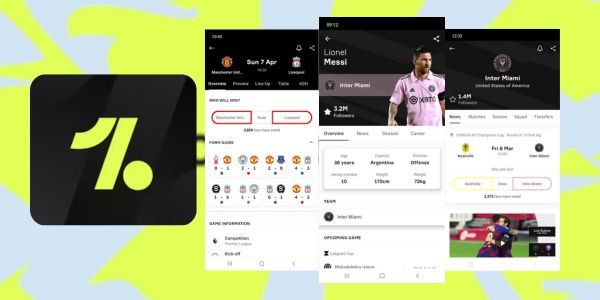
OneFootball is a global app that works in multiple countries and is widely used to follow La Liga in real time, with news, statistics, and, in some markets, broadcasts through partnerships.
In addition to matches, the app delivers alerts, lineups, and complete round by round coverage.
Download OneFootball and keep La Liga always on your radar!
Prime Video
Prime Video has been expanding its presence in European football and, in some countries, offers La Liga matches integrated into the platform.
It’s an interesting option for those who already subscribe to the service and prefer to centralize entertainment and sports in the same app.
If you already have Prime Video, it’s worth checking the sports section and following the available matches!
You Can Also Watch on TV!
| Region / Country | TV Channel | Notes |
|---|---|---|
| Spain | Movistar LaLiga | Main domestic broadcaster with full match coverage |
| United Kingdom | Premier Sports | Selected matches per round |
| United States | ESPN Deportes | Spanish language broadcasts |
| Mexico | TUDN | Wide national coverage |
| Latin America | ESPN | Regional broadcasts vary by country |
| Middle East & North Africa | beIN Sports | Exclusive rights in most MENA countries |
| Sub-Saharan Africa | SuperSport | Full season coverage |
| Asia (selected markets) | beIN Sports | Availability depends on country |
Official La Liga Social Media
In addition to broadcasts, social media helps fans follow the competition closely, even when it’s not possible to watch the full match.
- Instagram (@laliga): goals of the round, quick plays, and behind the scenes content
- X / Twitter (@LaLiga): real time results, lineups, and key decisions
- YouTube (LaLiga EA Sports): full highlights, interviews, and analysis
- TikTok (@laliga): short videos, curious plays, and light content
- Facebook (La Liga): organized news, videos, and general round coverage
How the Spanish League Became Global
La Liga was founded in 1929 as a local championship, but it didn’t take long to cross borders.
Early on, clubs like Barcelona, Real Madrid, and Atlético de Madrid helped build a league full of history and iconic rivalries.
Over time, on field success became a showcase.
Spanish clubs began winning European titles frequently, especially in the UEFA Champions League and the UEFA Europa League, which put the league on the global radar.
The presence of legendary players such as Messi, Cristiano Ronaldo, Di Stéfano, and Xavi did the rest.
Today, the league is followed across multiple continents thanks to the combination of strong football, global broadcasting, and an active presence on digital platforms.
Criteria that Define Positions in the Standings
The La Liga table follows simple but extremely decisive rules. What matters most is consistency throughout the season.
Wins add three points, draws one point, and losses earn no points.
It sounds basic, but in a balanced league, this makes all the difference round after round.
When teams are tied on points, goal difference and head to head criteria decide the ranking, which further increases the importance of matches between rivals.
That’s why no match goes unnoticed. Even that “less hyped” fixture can decide positions later on.

How many Rounds the Spanish League Has
La Liga is contested by 20 clubs, who face each other home and away throughout the season.
In total, there are 38 rounds, spread from August to May. Every team completes 38 fixtures, and the championship is decided by total points.
The long format means the league is decided by consistency, not by a single match.
Anyone aiming for the top must maintain their level from start to finish.
How European Qualification Spots Work
Beyond the title, the standings define something very valuable: spots in European competitions.
The top teams secure places in the Champions League, while positions just below grant access to the Europa League.
In some seasons, there is also a chance to compete in the Conference League.
These spots mean more than prestige. They bring international visibility, financial rewards, and greater appeal to players.
That’s why the fight isn’t limited to the very top, often, the middle of the table is just as competitive as the title race.
Modern and Historic Stadiums in Spain
Part of La Liga’s charm lies in its iconic stadiums, which help create intense matches full of identity.
The Camp Nou and the Santiago Bernabéu are symbols of world football, stages for classics and historic nights.
Stadiums like the Metropolitano showcase the league’s modernization, while San Mamés and the Estadio de la Cerámica reinforce the strength of local supporters.
Each stadium has its own personality, and that matters on the pitch.
Curious Stories Involving Major Clubs
La Liga is full of details that help explain why the league never loses its appeal. Some curiosities say a lot about this competition and its giants:
- Despite dozens of clubs having taken part in the league, very few have lifted the trophy throughout history, highlighting the weight and consistency of the biggest teams.
- El Clásico is so balanced that, in many periods, the number of wins and goals between Real Madrid and Barcelona has been almost even.
- Real Madrid is the club with the most league titles, while Barcelona has never been relegated from the top division.
- The first live broadcasts of the competition took place back in the 1960s, with just one match per week, very different from today’s scenario, with games broadcast all over the world.
These details show that La Liga is not made up of just matches and standings.
It is built on stories, curious numbers, and rivalries that span generations and continue to capture fans’ attention season after season.
That’s precisely why you won’t want to miss a single moment of this new edition!